

If you’re new to soft leather, one of the first things you might notice is that no two hides look exactly the same. You may see variations in grain, subtle color changes, or natural marks that weren’t obvious in photos.
This often leads to questions like:
“Is this normal?” or “Is something wrong with this hide?”
The short answer is no — this is exactly what real, natural leather looks like.
In this post, we’ll explain what natural marks and character mean in soft leathers like deerskin, elk, moose, and bison, why they’re normal, and how to work with them confidently in your projects.
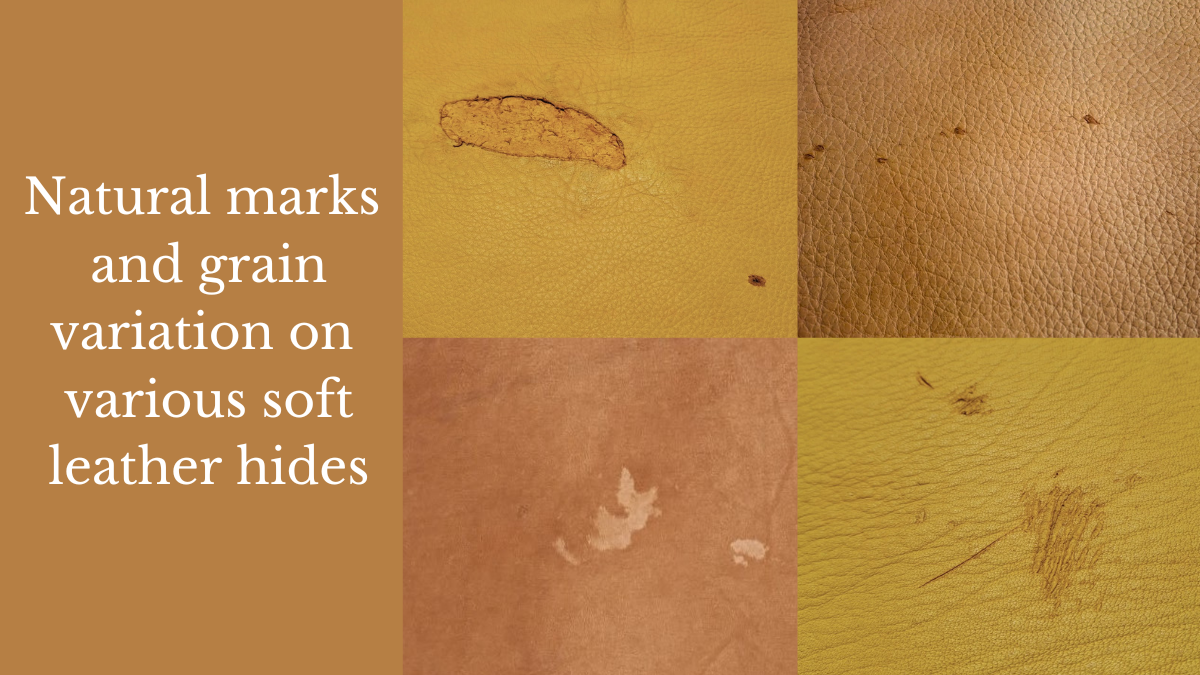
Natural grain and markings are a normal part of real leather.
What You’ll Learn in This Guide
-
What natural marks in leather actually are
-
Why soft leather shows more variation than processed hides
- Common types of marks you may see
-
How to plan projects around leather character
-
Why these marks are often a benefit, not a flaw
What Are “Natural Marks” in Leather?
Natural marks are visual characteristics that come from the life of the animal and the way the hide grows and moves. Unlike heavily processed materials, soft natural leather is not stripped of these details.
Natural marks can include:
-
Grain variation
-
Scars or bug bites
-
Wrinkles or stretch areas
-
Color shading
-
Texture changes across the hide
These marks are not defects. They’re signs that the leather is genuine and minimally altered.
Why Soft Leather Shows More Character
Soft leathers like deerskin, elk, moose, and bison are processed in a way that preserves flexibility and feel. Because of that, they also retain more of the hide’s natural surface.
When leather isn’t heavily corrected or coated:
-
Grain remains visible
-
Texture varies naturally
-
Marks aren’t hidden or filled in
This is why soft leather often looks more “alive” than uniform, factory-finished materials.
Common Types of Marks You May See
Understanding what you’re seeing makes it much easier to work confidently with natural hides.
Grain Variation
Grain can appear tighter in some areas and looser in others. This is normal and often adds visual interest.
Like our own skin different parts of the body have different skin characterists, its the same with animal skin
Stretch Marks or Wrinkles
Areas where the hide flexed naturally may show gentle wrinkling. These areas are usually just as strong as smoother sections.
Scars or Healed Marks
Small scars may be present, especially in hides like deer, bison or elk. These are surface characteristics, not weak spots.
Common causes are bug bites, healed cuts from branches, barbed wire, etc., fighting, and others. Bluntly, living in the wild.Color Variation
Soft leather often shows subtle shifts in tone across the hide. This is especially common in larger pieces. Just like when we lay in the sun and our skin colors differently the same happens when hides absorb coloring dye. It can also vary from one hide to another in the same dye batch. We will gladly help find matching hides for larger projects. Just ask.
Holes
Most hides from wild animals like deer, elk, and moose are a by-product of hunting. This means holes from arrows, bullets, and skinning are possible.
Most of our customers find creative ways to add them to their project or embrace them as part of traditional crafts and clothes. -
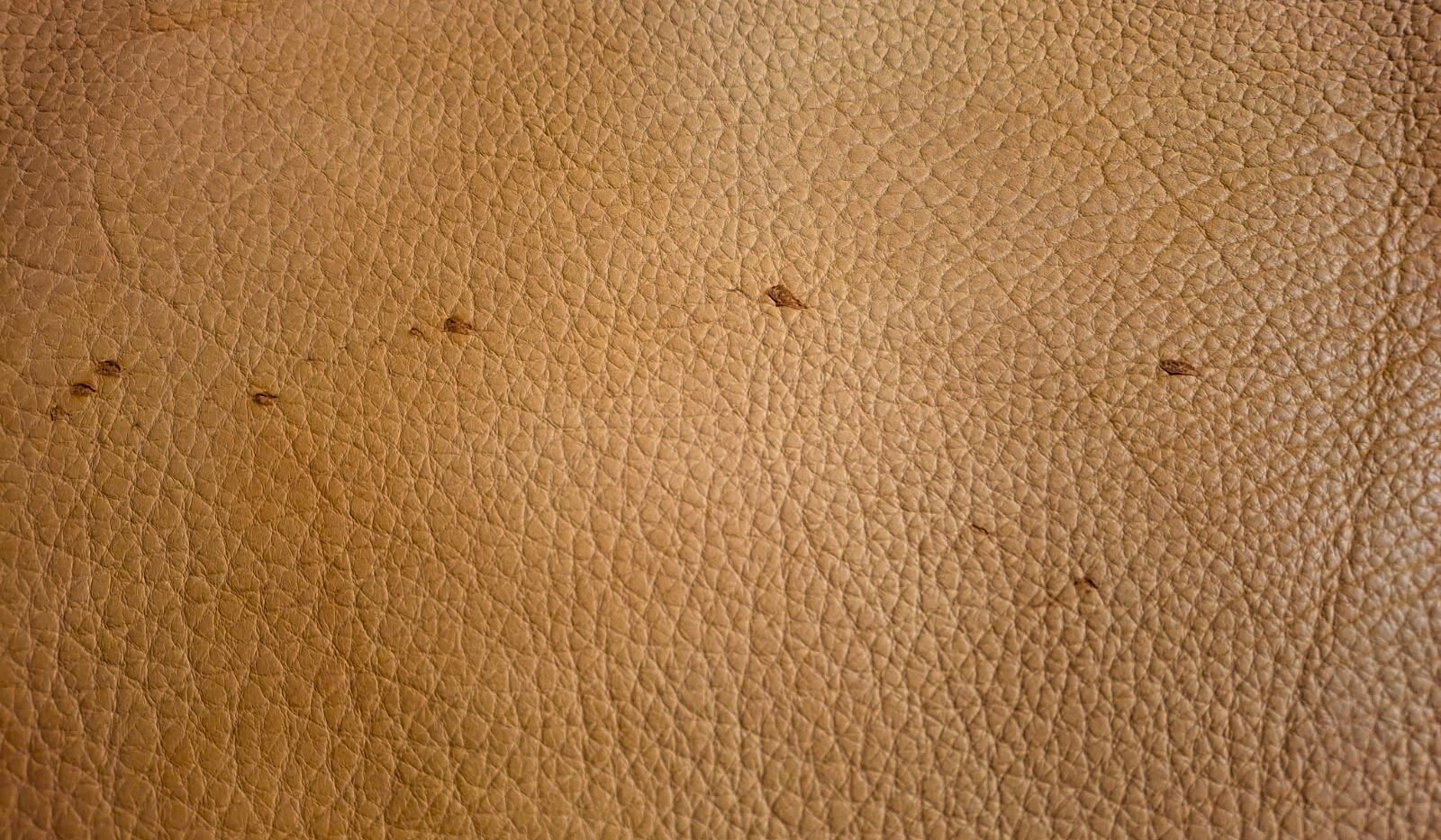
Grain and texture naturally vary across a hide.
How Natural Character Differs by Hide
Each type of soft leather shows character a little differently.
Deerskin
-
Generally smooth and even grain with a tight pebble grain
-
Range marks (scars, etc) are typical
-
Arrow, bullet, or sknning holes possible
Elk
-
Slightly more visible grain
-
Occasional texture/grain variation
-
Prone to larger range marks and arrow, ullet, and skinng holes
Moose
-
Softer, plush surface
-
Heavy textured grain
-
Heavy range marks are typical due to its size
Bison
-
Bold, pronounced pebble grain
-
Grain variation throughout the hide
-
Rugged, distinctive appearance
Planning Projects Around Natural Marks
One of the easiest ways to work with leather character is to plan your layout before cutting or adding it to your design.
Helpful tips:
-
Use cleaner areas for visible panels
-
Hide marks, etc., in the seams
-
Lay your entire pattern out before you cut any pieces to tray and avoid any marks
OR - Make the hole, scar, etc., a focal point. Great for traditionsl crafts
- Cut the hole into a design and back it with a contrasting leather to make an inlay
- With small marks, cut them out and stitch the hole closed. Looks great on rustic projects
Why Natural Marks Are a Good Thing
Finished leather may look great but it often comes at the cost of feel uniqueness. Natural leather offers:
-
Better texture and hand feel
-
More unique finished items
-
A connection to traditional craftsmanship
No two projects turn out exactly the same — and that’s part of the appeal.
Frequently Asked Questions
Are natural marks considered defects?
No. Natural marks are a normal part of real leather and do not affect durability or usability.Will scars weaken the leather?
In most cases, no. Small surface scars are cosmetic and do not compromise strength.
Deeper scars can be worked round, stitched, or patched without losing much work areaCan I request hides without marks?
Natural leather hides will always have some natural variation.
If your porject calls for a piece that is as clean as possible let us know and we can try to help find the best skin for the job. -